

Trail-Ready: Essential Tips for a Safe and Enjoyable Mountain Hike

Originally published February 2025. Updated March 2026 with additional photos and tips.
This post may contain affiliate links. If you choose to purchase through one of them, I may earn a small commission—at no extra cost to you. Your support helps keep Sweet & Sassy™ going so I can keep sharing travel, trails, and simple everyday adventures. Thank you for being here.
Mountain hiking is one of the most rewarding ways to experience the outdoors. Fresh air, scenic views, and the simple rhythm of the trail can turn an ordinary day into a memorable adventure. But even the most beautiful trails come with real risks—especially in warmer weather.
A little preparation goes a long way toward making your hike both safe and enjoyable. With the right mindset, a few essential supplies, and a willingness to stay flexible on the trail, you can adventure big while keeping things simple. Here are some essential tips to help you stay safe and get the most out of your hike.
1. Stick to Designated Trails
Marked trails are designed for safe navigation and environmental preservation. Straying off-trail can lead to getting lost, damaging fragile ecosystems, or encountering dangerous terrain.
2. Let Someone Know Your Plan
Before heading out, inform a trusted person about your hiking route and expected return time. In case of an emergency, this information can be crucial for rescuers.
3. Hydration is Key
Carry plenty of water for yourself and any pets you bring along. A good rule of thumb: when half your water is gone, turn around and head back to the trailhead.
4. Carry a Cellphone & Backup Charger
While signal strength may vary in mountainous areas, having a cellphone can be a lifeline in an emergency. Bring a portable charger to ensure your phone stays powered throughout the hike. If you need to conserve your phone battery, put it in airplane mode.
5. Don’t Hike Alone
Hiking with a companion is always safer. If you must go solo, be extra cautious and take all necessary precautions. A whistle, signal mirror, colored panel, or even an Airtag can help rescuers locate you in an emergency. These small, lightweight items could be lifesaving.


6. Wear Proper Footwear and Clothing
Sturdy, well-fitting hiking shoes and weather-appropriate clothing can prevent blisters, injuries, and discomfort. Dress in layers to adjust for temperature changes.
7. Protect Your Skin – Wear Sunscreen
Exposure to the sun at higher elevations can be intense. Apply sunscreen before heading out and reapply throughout the hike to protect your skin from burns and long-term damage. A hat and sunglasses also help reduce sun exposure.
8. Know Your Route
Use maps and familiarize yourself with the terrain before setting out. Understand elevation changes, potential obstacles, and estimated hike times.
9. Pack a Bandana
A lightweight bandana has multiple uses: sun protection, first aid, or cooling off. If you're overheating, wet your bandana and place it on your neck or forehead to cool down quickly.
10. Understand "Effort Miles"
Trail mileage does not equal effort mileage. While you may cover 2.5 miles per hour on a flat, smooth trail, rugged terrain and elevation changes can slow your pace to 1–1.5 miles per hour. Factor in time for breaks, photos, and enjoying the scenery.
11. Account for Elevation Changes
Climbing 1,000 feet adds roughly a mile of effort and can take an extra 10–20 minutes. Descents aren’t necessarily faster, especially on rocky or unstable trails. Plan accordingly. If you are carrying a backpack, water, and gear, that will add weight. Keep this in mind as you are planning for trail climbs.
12. Be Aware of Wildlife
Wildlife varies by region, so stay alert whether you're in the desert, mountains, or forests. In the Southwest, watch for rattlesnakes, javelinas, and bobcats, especially at dawn and dusk. If hiking in Yosemite or other mountainous areas, be aware of bears, moose, elk, and mountain lions. Always keep a safe distance, store food properly, and make noise on trails to avoid surprising animals. Respect their space to ensure both your safety and theirs.
13. Follow Leave No Trace Principles
Respect nature by packing out all trash, staying on trails, and minimizing your impact. Be courteous to other hikers and leave the wilderness as pristine as you found it.
With every step we take on the hiking trail, we immerse ourselves deeper in nature. We experience the landscape with all our senses, breathe in the fresh air and feel the sun on our skin. Hiking is a journey to ourselves, a way to find our inner center.
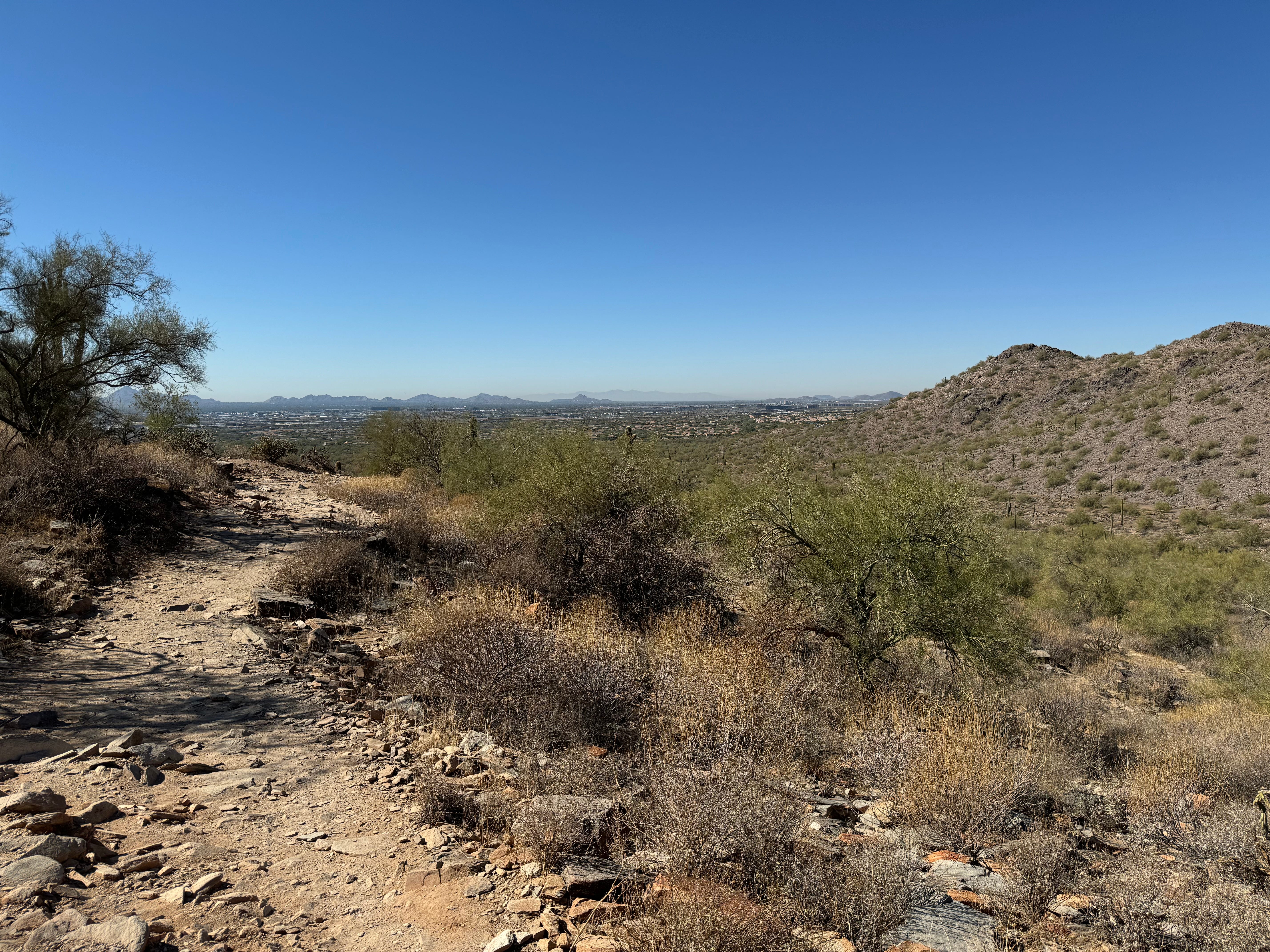
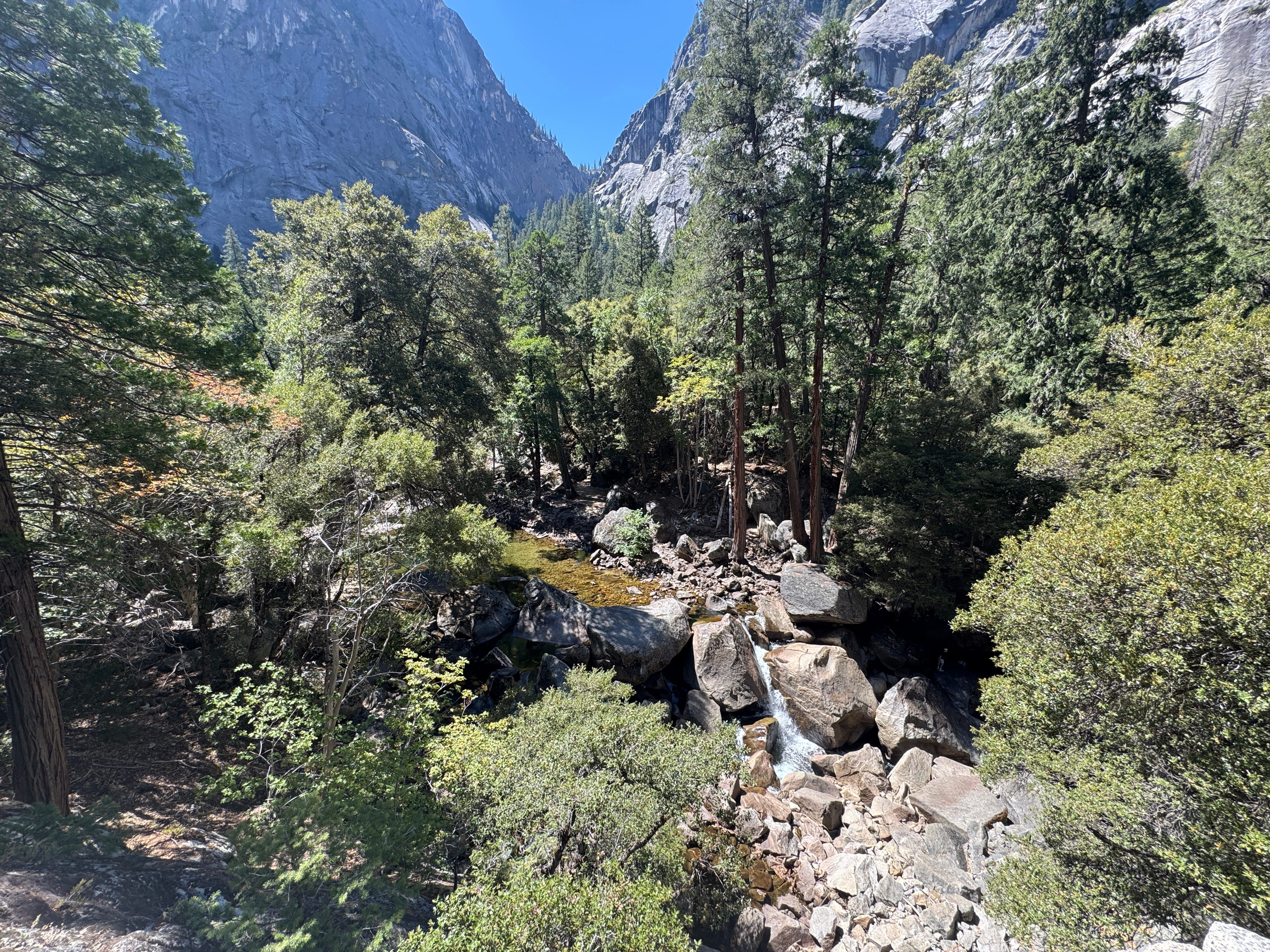
Mountain trails can look very different depending on where you hike—from the dry desert landscapes of Arizona to the towering granite cliffs and rushing rivers of Yosemite.
Final Thoughts
Mountain hiking is one of the most rewarding ways to experience the outdoors. With a little preparation, the right gear, and an awareness of your surroundings, you can explore confidently and safely.
Take your time, respect the trail, and enjoy the journey as much as the destination. Some of the best moments happen between the trailhead and the summit.
Adventure big. Live simple.™
About the Author
Stacy Mirkay is the creator of Sweet & Sassy, a lifestyle and travel blog rooted in one simple philosophy: Adventure Big. Live Simple.™
She shares thoughtful U.S. travel, scenic hikes, cozy baking, everyday style, and practical wellness — all designed to help women feel calm, confident, and capable in their everyday lives.
Through detailed blog guides, Pinterest inspiration, and YouTube videos, Stacy blends storytelling with practical insight — proving that adventure doesn’t have to be extreme, and simple doesn’t have to be boring.
When she’s not writing or filming, you’ll find her on a trail, in the kitchen testing a new loaf of bread, or quietly appreciating the kind of moments that don’t need to be photographed to matter.
You can explore more on Pinterest and YouTube, or follow along as she continues building a life that feels steady, intentional, and a little adventurous.